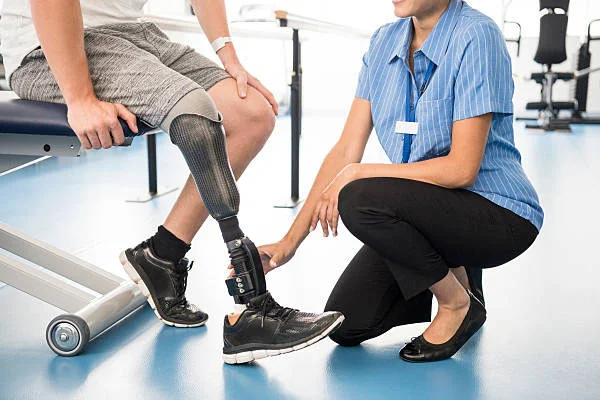
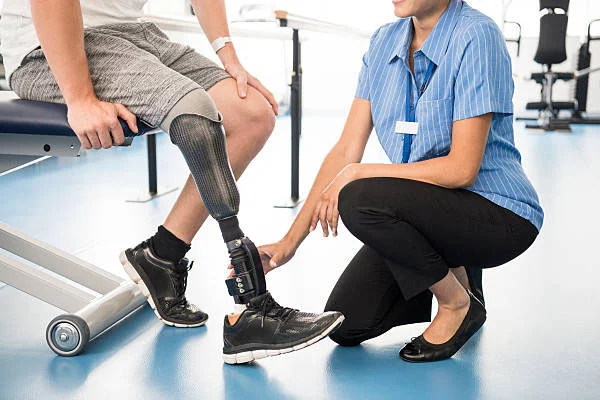
Artificial Limbs for Humans are advanced Artificial Body Parts designed to replace a missing arm or leg and restore natural movement. With modern technology, today’s prosthetic limbs go beyond aesthetics—offering strength, precision, and flexibility that allow users to walk, lift, and move with confidence. They are made from lightweight, durable materials and customized to match your body’s anatomy, ensuring a natural look and a comfortable fit for everyday use. Explore customized, robotic, and lightweight artificial limbs for humans. Regain comfort, mobility, and independence with advanced prosthetic technology.
Modern prosthetics combine biomechanics, robotics, and material science to deliver smooth, lifelike motion. Sensors detect muscle signals and translate them into movement, while the prosthetic structure supports weight distribution and balance.
1. Customized Artificial Limbs
Each body is unique, and so is every prosthetic solution. Customized Artificial Limbs are tailor-made to fit perfectly—offering superior comfort, balance, and motion control. These Custom-Fitted Prosthetic Limbs are ideal for individuals who need long-term solutions for daily mobility, sports, or rehabilitation.
2. Robotic Artificial Limbs
Robotic Artificial Limbs represent the future of prosthetic innovation. Integrated with smart sensors and electronic motors, these limbs replicate real muscle movements, giving users smoother control and more natural motion. Perfect for active individuals or professionals who require precision and flexibility.
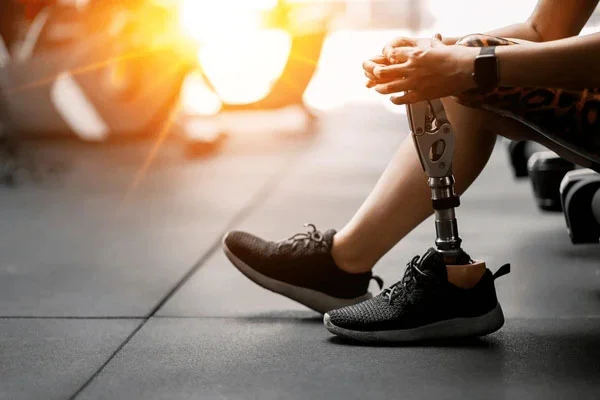
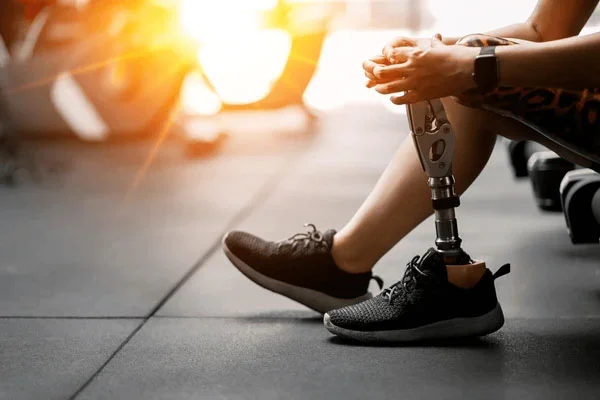
Losing a limb doesn’t mean losing your independence. Modern prosthetics—from bionic prosthetics to custom-made prosthetic devices—are designed to restore movement, functionality, and confidence. With precision design, lightweight materials, and personalized fitting, today’s prosthetic devices empower individuals to live active, independent lives again.
A prosthesis is an artificial replacement for a missing body part. These devices restore both form and function—allowing users to perform everyday activities naturally and comfortably.
Examples include:
Prosthetic Arm or Upper Limb Prosthetics for those with arm or hand loss
Prosthetic Leg or Lower Limb Prosthetics for below-knee or above-knee amputations
Prosthetic Implants that integrate directly with the body for added stability
Prosthetics replace missing body parts—like an arm, leg, hand, or foot—to restore mobility, balance, and independence. They act as artificial limbs that help people perform daily tasks such as walking, writing, driving, or even playing sports.
Modern prosthetic devices not only improve physical movement but also enhance confidence and emotional well-being. From lower limb prosthetics for walking to upper limb prosthetics for hand functions, they bring life back to normal activities.
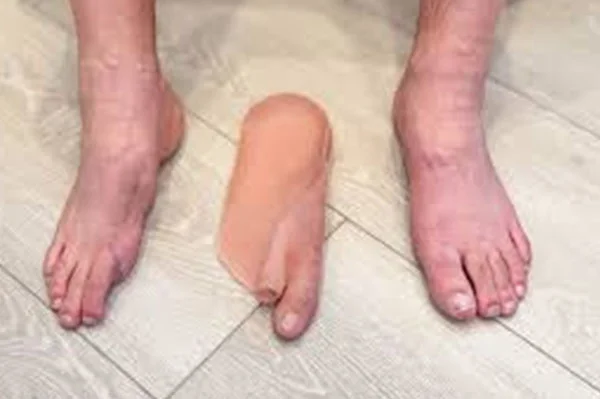
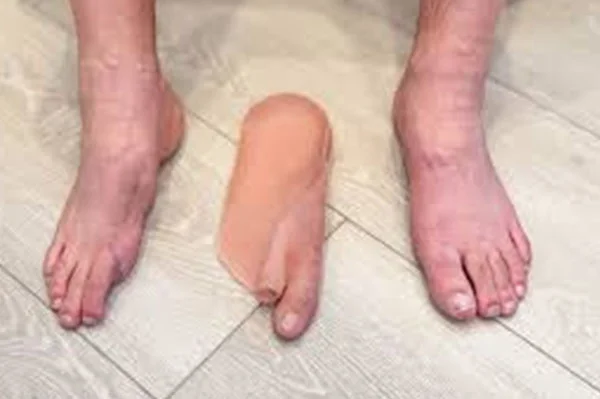
Experience the next level of comfort, realism, and confidence with Silicone Body Parts designed for lifelike restoration and functional support. Crafted with precision and advanced medical-grade silicone, these body parts replicate natural skin texture and tone, offering a seamless blend with your real body.
A Silicone Body Part is a realistic artificial replacement made from medical-grade silicone that mimics the look, feel, and movement of natural human skin and tissue. These body parts are custom-designed to restore missing or damaged areas of the body—such as hands, fingers, ears, nose, feet, or limbs—after injury, surgery, or congenital differences.
Silicone body parts are widely used in prosthetics and cosmetic restoration because of their soft texture, flexibility, and skin-like appearance. They can be custom-colored to match your exact skin tone, providing a natural look and restoring confidence to the wearer.
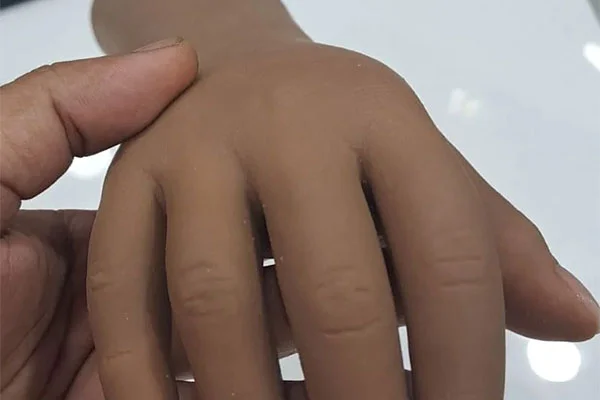
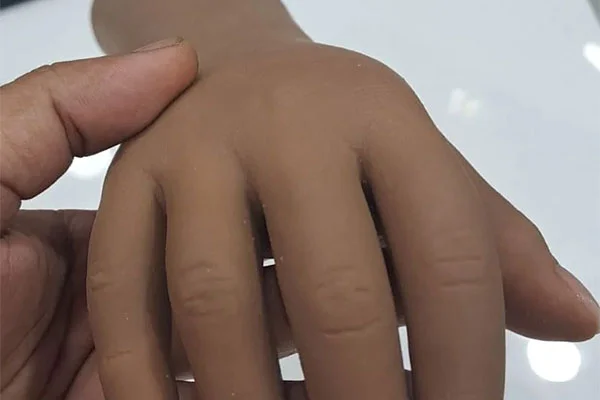
Cosmetic Restoration is more than just enhancing appearance—it’s about rebuilding what was lost and restoring harmony between aesthetics and function. Whether it’s due to an accident, surgery, birth defect, or the natural aging process, Cosmetic Implant Reconstruction and Reconstructive Cosmetic Surgery help individuals look and feel complete again.
Unlike standard cosmetic enhancements, Aesthetic Restoration focuses on achieving a natural look—helping you regain confidence and comfort in your own skin through medical precision, artistry, and empathy.
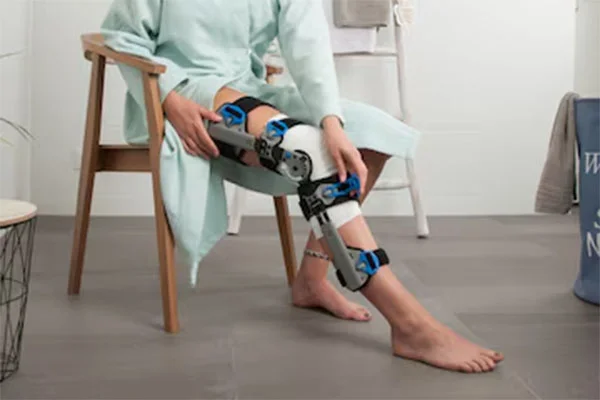
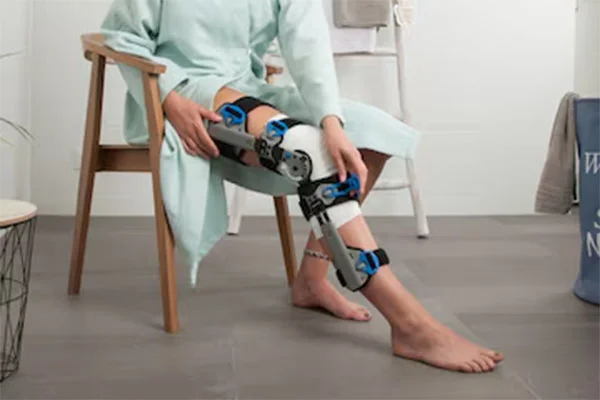
KAFO, or Knee Ankle Foot Orthosis, is a custom leg brace designed to support and stabilize the knee, ankle, and foot for improved mobility and balance. It plays a vital role in helping individuals with lower limb weakness, paralysis, or deformities regain mobility, stability, and independence. Whether it’s caused by neurological disorders, muscle weakness, or injury, a KAFO brace provides crucial alignment and balance to enhance walking efficiency.
A KAFO is a long-leg orthotic brace that extends from the thigh to the foot, offering complete lower limb support. It combines several components — including the thigh section, knee joint, calf shell, ankle joint, and footplate — all customized to meet the wearer’s specific biomechanical needs.
The primary goal of a KAFO orthotic device is to stabilize weakened joints, prevent excessive movement, and assist in proper gait. It’s commonly prescribed for individuals with polio, muscular dystrophy, spinal cord injury, cerebral palsy, or post-fracture recovery.
